Winter ice buildup can cause devastating financial damages to homes and commercial buildings that are not properly maintained and insured.
“Thousands of insurance claims are filed every year due to snow and ice damage, many of which could have been avoided with basic maintenance,” says Kareen Gaudreault, senior vice-president of claims with Desjardins General Insurance Group in Quebec City.
The cost of preventive action, such as hiring a roof snow removal specialist or clearing gutters, “is far lower than the expense involved in repairing water-damaged interiors, collapsed roofs, or compromised foundations,” she stresses.
Damage from the worst that winter has to offer can be deceptive. It might not manifest itself in the middle of winter, when the cold is at its peak, but rather with spring on the horizon.
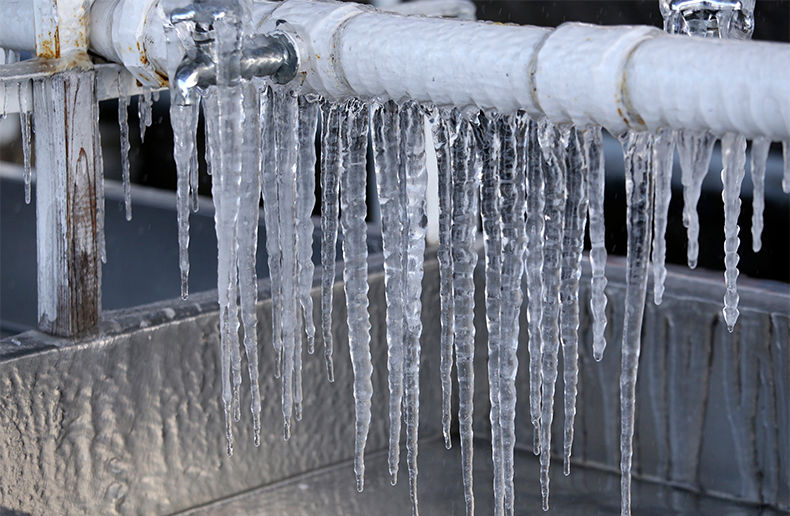
Brett McGregor, president of the Insurance Brokers Association of Canada (IBAC), who is based in Brandon, Manitoba, says ice damming occurs when the weather gets warmer. As ice melts it builds up in eavestroughs, which causes water to back up under the shingles, and seep into the home.
“Ceilings, walls, drywall, insulation, all get wet and would need to be replaced. And anytime there's moisture, you've got risk of mould, so that's also a concern,” he explains.
Water can also cause direct damage to the eavestroughs. Some may end up falling off, depending on the weight, and in extreme cases there could potentially be roof collapse, adds McGregor.
Prolonged ice load and trapped water can also weaken smaller structures like sheds or outbuildings, sometimes leading to a full or partial collapse of the structure. “We also see this with home structures that don’t share the same roof structure as the rest of the house, such as porches or sunrooms,” says Shannon Spackman, assistant vice-president of technical property claims with Aviva Canada in Oakville, Ont.
Roof collapse from snow and ice can also be quite common in farm buildings, as these structures may tend to have large roof spans, be older, and possibly not constructed to any building code, warns Glenn McGillivray, managing director of the Institute for Catastrophic Loss Reduction (ICLR) in Toronto.
Insurance protection essential
Ice damage repairs can range greatly, between about $3,000 to over $100,000, depending on the type and severity of the damage, says Spackman.
“The most common ice-related issues we see involve damage due to moisture intrusion from melting snow and ice trickling down exterior walls, such as staining on ceilings or walls, bubbling paint, wet insulation, or dampness on the underside of the roof decking. In rare cases we see damage to eavestroughs, soffits, shingles, and downspouts due to ice build-up,” she explains.
“If you've got water that's getting into the home,” says McGregor, “you're definitely looking at thousands of dollars to get it properly remediated, get a restoration firm in to rip out the wet drywall and insulation, treat for mould, and get drywall and walls patched back up.”
Extremely costly repairs can run into the tens of thousands of dollars. And a building collapse, necessitating the replacement of the entire building, will be the costliest, he adds.
Repairs for structural failures, including roof collapse, wall damage, and water infiltration are typically among the most expensive categories of home insurance claims, says Gaudreault.
Insurance can provide protection against the financial hazards associated with snow and ice buildup, but due diligence is required to understand exactly what an individual policy will cover and what it won’t.
McGregor notes, for example, that most insurance policies will cover ice damming, but restrictions can be placed on policies that would remove coverage, “and we typically see that if the roof is getting older, or it has been damaged.”
As a result, an insured could end up with a limited roof endorsement on their policy to restrict coverage and typically need to replace their roof to get that coverage back. The broker’s role is to advise clients to make sure their insurance policy has coverage for ice damming, and if not, to let them know what they would need to do to get it, he adds.
Homeowners must know that coverage for certain types of events may require additional add-ons to their policies and possibly even entirely separate policies, says McGillivray. They must also be familiar with their deductibles, including being aware that their deductible may not be the same for all types of losses, and that the policy limit to be paid out for a particular type of loss can also vary, as well as whether their policy includes full replacement value for their home and contents, he adds.
Prevention key to limiting damage
Insurance experts stress that proper maintenance is the key to limiting both financial and home and building structural setbacks, and that insurance professionals should be advising their clients about the positive impacts of prevention.
“Winter resilience is built throughout the year,” says David Jackson, leader of Zurich Canada’s resilience solution property risk consulting team in Toronto, who notes that mid-winter solutions to emergencies often have to be improvised.
“As we look at building resilience throughout the year, I think the best line of defence starts in the spring when the snow disappears. It’s having roof assessments completed,” he says.
A good roof assessment will help identify gaps in insulation so a consistent temperature can be maintained across the roof. It is also important to understand the snow load a roof was designed for, and the impact over time as a roofing system is replaced and new materials are used. For example, installing different rooftop equipment, such as the increasingly popular photovoltaic panels add significant loads to the building, which could change the roof’s tolerance in terms of what snow load it could handle, Jackson elaborates.
Another concern is parapets on the roof, which can provide obstructions that create snow drift and provide areas of additional load. “If you're not careful to understand what your roof can handle and then manage that, all it takes is one heavy fall of snow and that can really compromise the structural integrity of your roof, [and] create weaknesses,” warns Jackson.
A professional contractor can help a policyholder identify when that snow load is being approached, and when to take preventative early measures.
It might not just be one event that creates catastrophe, but rather a build up over time.
“That constant freeze-thaw…can really impact the structural integrity. So it might not be this year you experience the event, but if not carefully managed [and] carefully monitored, it could be the next year where you get that heavy, heavy snowfall that is just enough to tip your roof over the edge and cause that collapse,” Jackson says.
In that situation, early measures would be required to provide a buffer, he stresses.
Spackman says homeowners can reduce their risk through a few immediate and longer-term interventions. Good eavestrough and gutter maintenance is important throughout the fall and winter to allow meltwater to drain properly.
Longer-term measures would focus on ensuring the attic is well insulated and maintaining proper ventilation to prevent heat from reaching and becoming trapped in the attic, which can cause snow on the roof to melt and refreeze at the edges, she adds.
“We also recommend installing an ice and water shield along the lower roof edge when replacing a roof to add protection,” Spackman says.
McGillivray warns that sagging on the ridge-line of sloped roofs, where the two sides of the roof meet, could be an indication of a potential roof collapse.
Policyholders with a flat roof should hire a specialist to avoid damaging the roofing membrane, says Gaudreault, who also advises to keep an eye on aboveground pools and other structures that may collapse under snow weight.
“By maintaining proper drainage, removing snow in time, and monitoring vulnerable areas, homeowners can prevent most winter-related damage,” she adds.
Water damage, particularly in commercial occupancies like high rise offices, can be exacerbated by the concentration of occupancies on top of each other, says Jackson.
“Frozen pipes is a significant cause of the problems that we have,” and this can become more dangerous late in the winter, he adds, when warmer temperatures are experienced during the day, with significant drops to colder temperatures in the evening.
“That’s often when these pipe bursts occur due to the rapid freezes,” Jackson explains.
That is one of many potential hazards to watch for, particularly as early March approaches, and alternating winter and spring-like weather is typically present.
“We saw a sharp rise in annual ice-related damage claims in 2025 and wouldn’t be surprised to see a similar spike this year once temperatures begin to warm,” says Spackman.