
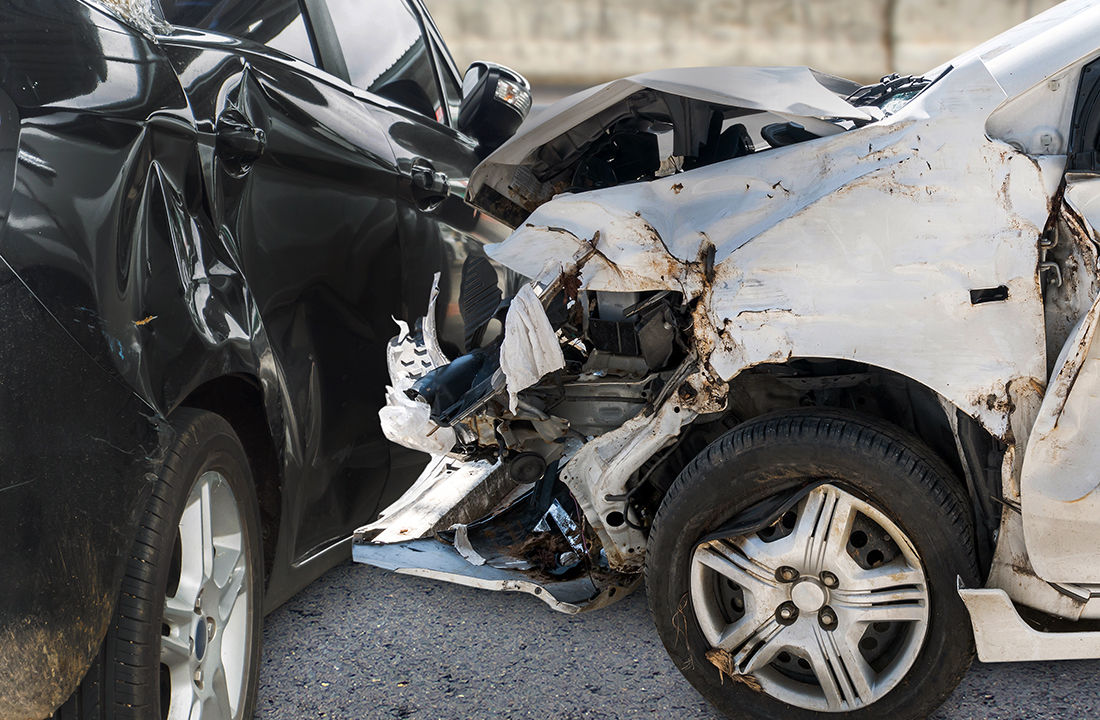
Road accidents in Quebec resulting in fatalities, serious injuries and minor injuries are costly for the Société de l’assurance automobile du Québec (SAAQ). In 2025, it paid nearly $1.4 billion in compensation to victims, even though the number of people killed on the road network declined slightly.
According to its 2025 Annual Management Report, 371 people lost their lives on Quebec roads last year. That was eight fewer than in 2024, a decrease of 2.1 per cent. The ceiling target of 4.1 deaths per 100,000 population was not exceeded. The provincial ceiling target for 2026 is no more than 4.0 deaths per 100,000 population, while the target for 2027 is 3.9.
In 2025, 1,282 people suffered serious injuries on Quebec’s road network. The ceiling target of 13.6 seriously injured persons per 100,000 population was exceeded, with an actual result of 14.2. In addition, 28,365 people sustained minor injuries. The ceiling target of 287.4 was significantly exceeded, reaching 313.1.
Comparison with Ontario, Canada and Other Countries
While the number of people killed in road accidents in Quebec declined in 2025, Ontario has posted better results for several years. Compared with a number of European countries, Quebec also performs less favourably, with the exception of France.
In response to questions from Insurance Portal, a SAAQ spokesperson commented on the fact that Ontario and several European countries have better road safety records than Quebec.
“Population distribution in cities, differences in road network design and preferred modes of transportation may be possible explanations, but there is no conclusive data on the matter,” the spokesperson said.
A road safety expert with the Sûreté du Québec was unavailable to provide an analysis of the figures or comment on changes in the behaviour of Quebec drivers, as the organization will publish its own 2025 statistics in the coming weeks.
Other Canadian provinces
In 2023, Quebec’s road fatality rate was among the lowest in Canada, behind Ontario, according to data compiled by Statistics Canada.
Accidents involving heavy vehicles
Despite prevention measures implemented by the SAAQ, the number of people injured in collisions involving a heavy vehicle exceeded the 2025 ceiling target of 31.5 per 100,000 population, reaching 34.5.
Could the use of incorporated drivers, known as the “Driver Inc.” phenomenon, some of whom have been involved in fatal crashes, be a contributing factor?
“This phenomenon is primarily a tax-related issue,” the SAAQ told us. “We are collaborating with the ongoing coroner’s investigation into the trucking industry. Its recommendations will guide our next steps.”
Compensation payments
In 2025, the Quebec Crown corporation paid $1.3019 billion in compensation.
“During a given year, the [SAAQ] compensates not only new claimants, but also individuals injured in previous years who remain unable to work,” explains the spokesperson. “Annual compensation expenditures therefore relate to all individuals who remain disabled as a result of a motor vehicle accident.”
In total, the SAAQ processed 91,418 claims in 2025, including 24,316 new claims.
Average insurance premium in 2024
In 2024, the average insurance premium paid by Quebec motorists was $1,279, according to the province's public automobile insurance agency. This amount includes property and casualty insurance as well as bodily injury coverage administered by the SAAQ.
In 2025, Quebec had 5,856,631 licensed drivers and 7,280,404 vehicles in operation.
Nearly 19,500 statements of offence were issued last year, according to the SAAQ.
Claims by age
According to the Groupement des assureurs automobiles (GAA), regardless of gender, claim frequency in Quebec peaks among drivers aged 16 to 20 and then declines steadily until age 64, before increasing again among those aged 66 to 74.
Among drivers aged 75 and older, claim frequency is close to 4 per cent, a rate similar to that of drivers aged 25 to 29.