
In its recent Fall 2025 Canadian Insurance Market Update, Aon plc notes that conditions remain favourable in the property and casualty (P&C) insurance market due to increased capacity, strong underwriting results, and heightened competition among insurers.
“These factors are driving more favourable terms and broader coverage options, as carriers prioritize on client retention and seek to deliver greater value,” says Catherine Lanctôt, Senior Vice-President and National Director of the Financial Services Group at Aon.
According to Russ Quilley, Senior Managing Director of Broking, “insurers remain disciplined in risk selection, especially for natural catastrophes exposures and historically challenged risk profiles.”
He adds that “organizations that invest in loss control and provide transparent, comprehensive submissions are best positioned to achieve reduced rates, improved terms, and enhanced coverage.”
A resilient market
Despite record losses tied to catastrophic events in the summer of 2024, the Canadian market remains resilient, according to the authors of the update. Insurers are focused on retaining quality business, which provides broader coverage options and pricing relief for many policyholders.
However, some high-risk sectors remain difficult for brokers to place. The report highlights U.S. liability exposure, public sector liability, and property risks prone to catastrophes. On the latter, Aon reports increased deductible amounts for catastrophe exposures.
Even though underwriters are showing more flexibility due to competitive pressure, submissions must be detailed and supported by mitigation strategies in order for buyers to secure better conditions.
Cyber insurance
The cyber insurance market is a strong example of rapid market evolution. After years of high volatility, the market saw notable softening, with a 15 per cent decrease in rates in 2024 compared to the previous year. Coverage limits have also increased. Aon notes that 25 per cent of clients purchased additional limits in 2024.
The reinsurance cycle was favourable in January 2025. However, “persistent loss activity and increasing claims amounts suggest these conditions may not be sustainable in the long term.”
Competitive rates are available, but companies with significant gaps in security controls or a poor claims history face additional challenges.
Systemic risks and third-party claims remain under-addressed in many organizations, says Aon. Companies need to strengthen vendor management processes and assess their total cyber exposure, particularly related to large-scale service interruptions.
Climate risk
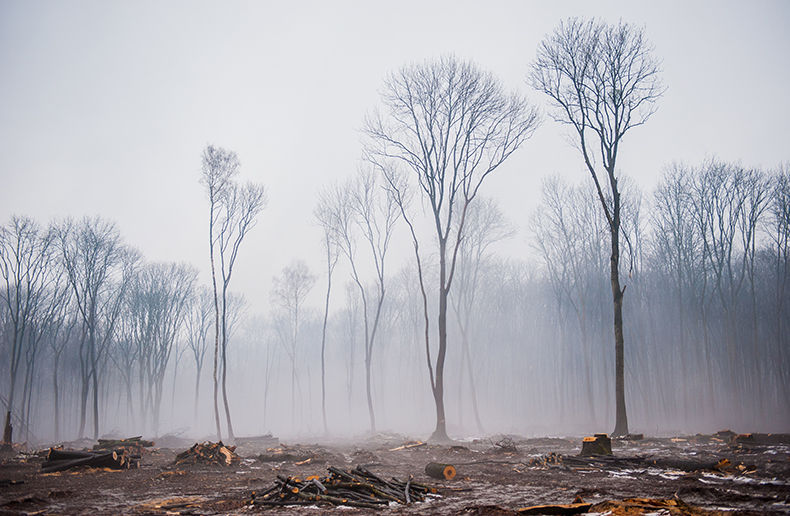
The wildfires that affected California in January 2025, as well as those impacting several European countries during the summer of 2025, highlight a worsening trend in catastrophe-related risks. Canada is already experiencing its second-worst wildfire year on record, after 2023.
Approximately 7.5 million hectares had already burned as of August 2025, primarily in the Prairie provinces and the Atlantic region. Following a first half of the year marked by heavy rainfall that encouraged vegetation growth, prolonged drought and extreme heat created favourable conditions for wildfires.
Various strategies exist to improve organizational resilience to wildfire risk. Better risk assessments and exposure evaluations are needed, along with the development of emergency response and business continuity plans. These plans must be updated regularly due to the evolving nature of wildfire risk.
Liability and construction
According to Aon, commercial general liability (CGL) insurance rates remain stable, except for U.S. exposures. Increased competition from new entrants in the corporate liability market benefits buyers, particularly in the primary liability space. Clients are being offered improved terms and expanded coverage.
For excess (or umbrella) liability, rising legal costs associated with so-called “nuclear verdicts” are making insurers more cautious. Capacity and rates for accounts with U.S. market exposure are less favourable for business needs, as observed for several years in the trucking industry.
In the commercial construction sector, insurers are also expanding capacity and focusing on portfolio growth and client retention. However, the report’s authors note that insurers remain cautious when it comes to cross-laminated timber construction, hot roofing projects, and projects with high water exposure.
Rates, retention levels, and deductibles remain stable for professional liability insurance. Well-performing accounts may even benefit from reduced premiums, Aon notes.
Reinsurance
The global reinsurance market reached a record US$720 billion as of March 31, 2025, following an exceptional global performance in 2024. Despite the wildfires in California—with insured losses estimated at US$40 billion—reinsurers achieved a return on equity of more than 10 per cent in the first quarter of 2025.
“Geopolitical uncertainty and climate change continue to provide a concerning backdrop which shapes reinsurers’ thinking,” the report notes.
The difficult year experienced in 2024—especially for personal lines in Canada—could have had consequences for Canadian reinsurers. Aon points out that conditions in Canada now closely mirror those in the global market, which remain favourable for buyers. Canadian reinsurers have had to adjust to competition from foreign reinsurers.
“Overall, capacity is sufficient for all lines and regions in both primary and reinsurance markets. There is ample opportunity for Canadian buyers to purchase top-up limit mid-year to support growth, or to make purchase of alternative program structures which can help mitigate earnings volatility,” the report’s authors write.