The final estimate of insured damage caused by the wildfire that struck Jasper, Alberta, two years ago has reached $1.304 billion. The estimate was published by Catastrophe Indices and Quantification (CatIQ) in a news release.
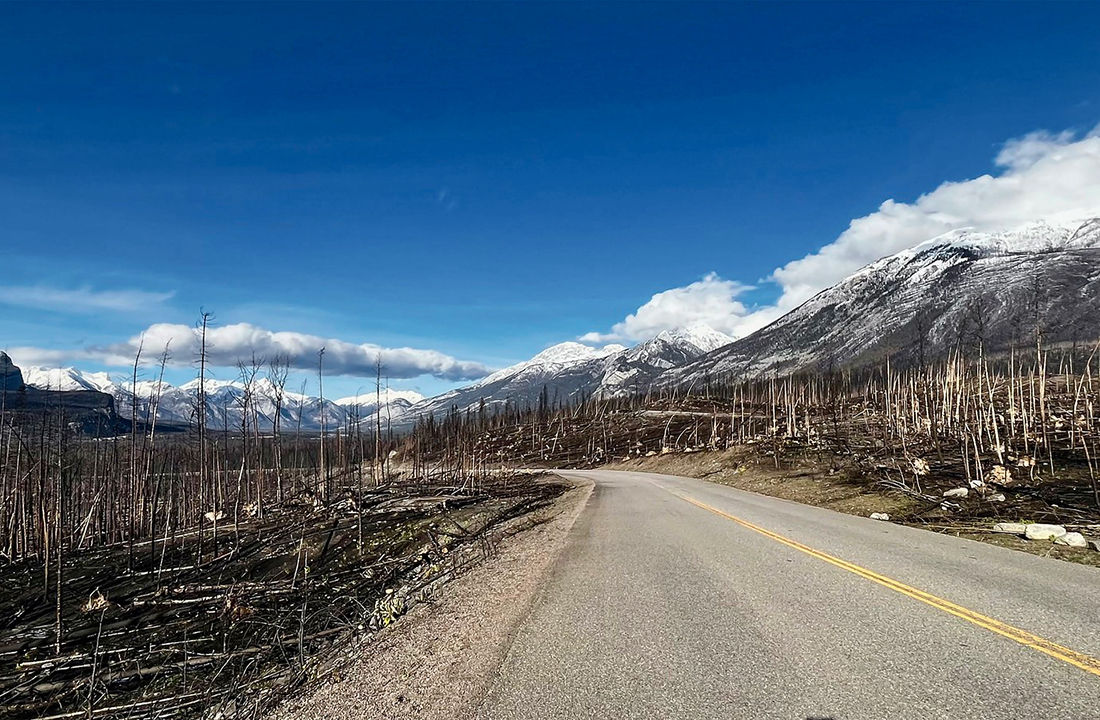
On July 22, 2024, two wildfires broke out in Jasper National Park, one south and the other northeast of the municipality. Evacuations were quickly ordered because of extremely dry conditions in the region and strong southerly winds carrying embers toward the community.
On the evening of July 24, the flames rapidly became uncontrollable, and the wildfire eventually reached the municipality. Some 358 of Jasper’s 1,113 structures were damaged or destroyed by the fire between July 22 and August 17, 2024.
It is the costliest wildfire disaster of the 2020s. “Though the loss footprint for the Jasper wildfire was relatively small, it is an important reminder that even a small number of claims can drive tremendous loss. Of the more than 220 events in the CatIQ catastrophe loss database, Jasper maintains the highest average claim value for both personal and commercial property,” says Laura Twidle, president and CEO of CatIQ.
CatIQ’s fifth estimate, published one year ago, reported total insured losses of $1.313 billion. The fourth estimate, released six months after the disaster, put insured losses at $1.233 billion.
Another estimate
The first half of 2026 has provided no relief for claims teams. During the first six months of the year in Canada, more than 100,000 claims were filed with insurers for damage caused by wildfire or severe weather events, CatIQ reports.
In the case of the severe storms that struck Saskatchewan and Manitoba on June 9 and 10, triggering a hailstorm and tornadoes, CatIQ has already increased its estimate of insured damage. A new estimate was released six weeks after the event.
Insured losses are now estimated at $850 million, up from the $728 million announced one month after the event. The increase is attributable to automobile insurance claims, CatIQ reports.
Twidle notes that, unlike the Jasper wildfire, these severe weather events affected urban centres. As of July 22, the catastrophes that occurred on June 9 and 10, 2026 rank third among the events generating the highest volume of claims, according to CatIQ.
Furthermore, on July 23, the Insurance Bureau of Canada released another estimate by CatIQ regarding insured losses linked to the torrential rains of June 20 and 21 in the Montreal area, particularly in the West Island neighborhoods. The assessment, conducted one month after the event, puts the figure at $409 million.
The storms that forced the cancellation of Canada Day celebrations on July 1 are also expected to have caused insured damage exceeding several hundred million dollars in the Ottawa region.