
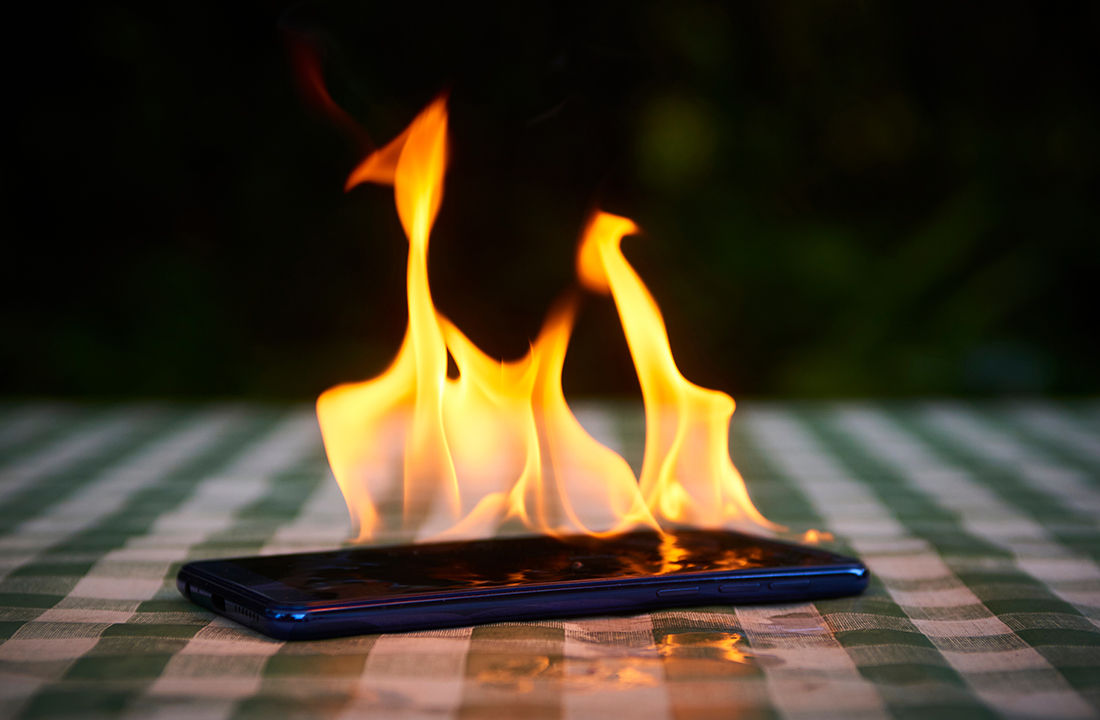
The growing reliance on lithium-ion batteries in both residential and commercial settings, and their increased susceptibility to fire risks, has had a material impact on the insurance industry. Insurers around the world have taken note of the dangerous propensity for serious fire-related personal injury and property damage.
“Lithium-ion battery fires are increasing across Canada, fueled by their growing presence in homes, vehicles, and workplaces,” the Government of Canada announced last autumn, noting that lithium-ion batteries are now “the power source behind many everyday devices like phones, laptops, e-bikes, power tools, and children’s toys.”
According to a 2024 report by Gallagher Re, one of the world’s largest reinsurance brokers, headquartered in London, in the United Kingdom. “Incidents of lithium-ion battery-related fires are increasing globally, leading to physical damage and personal loss. The resulting claims and losses have insurers reevaluating their liabilities as businesses and policymakers attempt to understand the rise in incidents and take steps to mitigate the risk.”

Michael Nituda, principal of Wilson M. Beck Insurance Services (Specialty) Inc., an insurance broker in Toronto, says his firm is seeing more claims where lithium-ion batteries are either the primary cause of loss or a significant aggravating factor.
“From our vantage point, the loss frequency is still small compared to things like cooking fires or traditional electrical faults, but the severity can be disproportionate when something goes wrong because of thermal runaway, very rapid fire spread and fire departments that are ill-equipped to handle lithium fires,” he says.
Ubiquitous use leads to widespread risk
We have observed an increase in claims involving lithium-ion batteries, including notable increases related to electric vehicles, scooters, e-bikes and battery-operated vacuums.
– Aviva Canada
The Gallagher Re report cited more than 25,000 incidents of fire or overheating relating to lithium-ion batteries between 2017 and 2022 in the United States, with the impact particularly pronounced in urban areas where lithium-ion batteries are increasingly relied upon for transportation.
The closeness of people in densely packed neighbourhoods, such as in multi-occupancy buildings, where fires can spread more easily, also increases the risk, the report noted.
In October 2025, the Montreal Fire Department (MFD) said that fires linked to lithium-ion batteries in that city increased by 195 per cent between 2022, when there were 24 such fires, and 2024, with 71 lithium-ion induced fires.
The Toronto Fire Service (TFS) reported in July 2025 a 162 per cent increase in lithium-ion related fires there between 2022, with 29 reported fires, and 2024, when there were 76 fires sparked by lithium-ion batteries. Just over half-way through 2025, the TFS said Toronto had already experienced 43 fires caused by lithium-ion batteries.
One involved a “significant high-rise fire with multiple injuries to both occupants and first responders,” said the TFS, which added that the subsequent fire investigation determined that the affected high-rise unit had a large quantity of lithium-ion batteries that “significantly contributed to the fire’s growth and extent of smoke spread throughout the building.”
“We have observed an increase in claims involving lithium-ion batteries, including notable increases related to electric vehicles, scooters, e-bikes and battery-operated vacuums,” says a spokesperson for Aviva Canada.
“Occasionally, this is resulting in large losses,” the spokesperson adds.
Wilson M. Beck Insurance Services has seen multiple objects and products as a source of the lithium-ion risk.
Household risks are caused by e-bikes and e-scooters, especially where batteries are charged in apartments, condos, and garages, says Nituda. Other household causes include: mobility scooters and powered wheelchairs; power tools and cordless garden equipment; laptops, tablets, and phones where “we see a handful of charging on the couch/bed fire scenarios;” residential energy-storage systems and electric vehicle (EV) charging in attached garages.
They are also in vaporizers and portable smoking devices such as e-cigarettes or ‘vape pens,’ he adds.
Business risks include courier and food-delivery fleets that use e-bikes and e-scooters with many batteries charging at once; warehouses, logistics hubs, and retailers storing or delivering bulk electronics, EVs or spare batteries; light manufacturing and repair shops working on e-mobility devices; buildings with on-site energy storage, such as battery rooms, or large numbers of EVs in underground parking garages, says Nituda.
Impact on policies
Wilson M. Beck has adjusted its coverage for the use of lithium-ion batteries, with the biggest adjustment being in underwriting and risk selection, Nituda says.
He notes that challenges have emerged in placing coverage for businesses with lithium-related exposures such as recycling depots, transportation companies, storage companies, and manufacturers of lithium-ion batteries.
“Companies that have lithium as part of their service or product will require loss reserving to ensure they have adequate cash-on-hand for non-insurable lithium losses,” he explains.
Policies have also changed to containlanguage specifically related to lithium-related losses, including the excess liability market, says Nituda.
“A feature of an excess liability policy is to afford drop-down coverage to the primary termed ‘difference in conditions’ or DIC. DIC wording would pick up a loss where a primary peril is excluded, but now we see even lithium exclusions on DIC.
“Often we can ‘buy back’ coverage of an excluded peril but in the case of lithium, there isn’t enough critical mass yet to where carriers can price the risk and offer this coverage to purchase,” he adds.
But not all insurers have made changes to their policies at this time to reflect the growing risk of lithium-ion fires.
“At this time, lithium-ion batteries are still covered under our standard policies with no adjustments to either premiums or policy coverage,” says Aviva Canada’s spokesperson. “This is a trend our teams are tracking to understand the broader impact, including evaluating potential risk mitigation strategies based on data gathered.”
Michel Rosset, corporate communications and media relations manager at Wawanesa Mutual Insurance Company, headquartered in Winnipeg, says “Wawanesa closely monitors emerging risks to ensure our insurance products remain relevant. [But] at this time, we have not made any changes to our personal or commercial lines coverages related to the use of lithium-ion batteries,” he notes.
Constant diligence required
Few fire departments are equipped to handle lithium fires where attempts to extinguish with water will only exacerbate the damage.
– Michael Nituda
Why are lithium-ion batteries so dangerous? The Government of Canada points out several potential causes of fire risk, noting that if lithium-ion batteries are not charged safely, such as if charged dangerously on a couch or bed, if they are overcharged, left near flammable materials, or a charger not specifically designed for that device is used, they could burst into flames.
Disposal could also increase fire risk – if for example, lithium-ion batteries are disposed in the trash or a recycling bin instead of taken to a designated battery recycling centre or hazardous waste facility.
“Even when the original ignition is small, the combination of high energy density, toxic smoke, and difficulty extinguishing these fires often turn what should be a minor incident into a major loss,” says Nituda. “Few fire departments are equipped to handle lithium fires where attempts to extinguish with water will only exacerbate the damage,” he adds.
The constant diligence required today for the use and risks associated with lithium-ion batteries must only intensify in the future as multiple sources including Gallagher Re predict a continued surge in their use throughout the rest of the decade.