
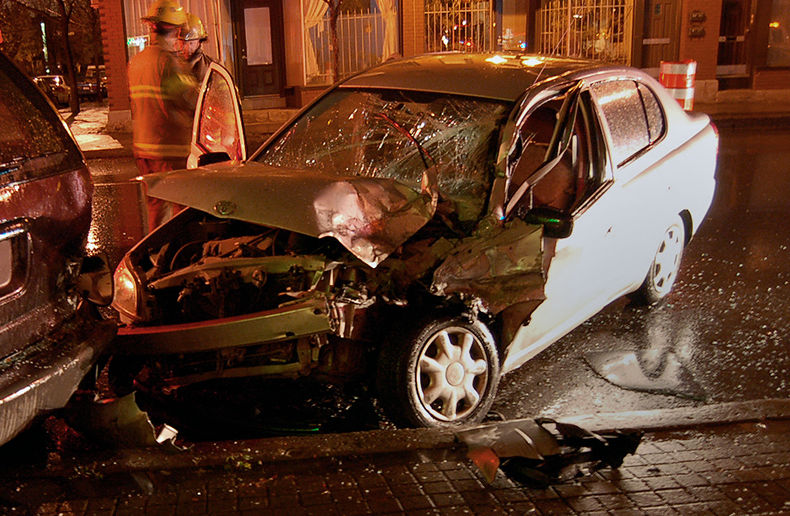
More than 40% of road fatalities in Canada are linked to crashes in which at least one driver tested positive for drugs or medications, a proportion that has been rising over the past two decades. In fact, these substances have been detected more often than alcohol in this context since 2013.
These are among the main findings of an analysis of the national database maintained by the Traffic Injury Research Foundation (TIRF), which has just published the study Drug Use in Fatal Collisions in Canada | 2000-2023, with financial support from Desjardins Insurance.
Data compiled* by the Ottawa-based organization show that the number of deaths resulting from crashes involving a driver who tested positive for drugs (broadly defined to include cannabis, illegal drugs, and prescription or over-the-counter medications) was 571 in 2023, compared with 230 in 2000 and 487 in 2019.
In percentage terms, this means that the proportion of all road fatalities linked to drugs rose to 41.2% in 2023, compared with 35% in 2019 and 10.7% in 2000.
In the vast majority of cases, 501 of 571 in 2023, the victims were drivers who tested positive for drugs, TIRF says. According to the organization’s data, 65 of the other victims were road users: a driver who collided with a driver who tested positive, a passenger, or a pedestrian who was struck. The remaining five victims were classified in another category when it was not possible to determine which driver had tested positive or which person was driving.
For its part, the presence of alcohol in post-mortem analyses has remained relatively stable over the past 24 years (30% in 2000 compared with 29.3% in 2023). Since 2013, a greater proportion of road fatalities has been linked to drug use among drivers than to alcohol use, distraction, speeding or other factors.
Multiple causes
The study’s authors, Steve Brown, Ward Vanlaar and Robyn D. Robertson, are careful to point out, however, that the detection of a drug in a driver’s body does not necessarily mean that the substance was the primary or sole cause of the fatal crash.
Other factors may have contributed to the collision, including fatigue, speeding and distraction, as well as alcohol. “It should be noted the testing rate for fatally injured drivers by coroners and medical examiners has been 82.5% since 2011 whereas prior to 2010 it was only 49%,” they also caution in their report.
Nevertheless, even though data collection improved considerably after 2011, the authors acknowledge, they find that there is an upward trend in driving with faculties potentially impaired by drugs and medications.
Drivers aged 25 to 34 lead the way
Among drivers aged 25 to 34 who died as a result of a crash, 63.8% tested positive for a drug or medication in their system. This age group ranked first, followed by those aged 20 to 24 (59.7%) and 35 to 44 (59.4%). The 16-to-19 age group had the lowest rate, with 42.1% of deceased drivers testing positive. Among those aged 65 and older, the rate was 43.8%.
In general, the authors note, fatally injured drivers aged 65 and older are more likely to test positive for central nervous system depressants, while toxicology analyses of drivers aged 16 to 19 and 20 to 34 more often reveal the presence of cannabis.
Based on the analyses, the authors also observe some increase in the presence of cannabis since it was legalized in Canada on October 17, 2018. On average, about 27% of fatally injured drivers had THC (tetrahydrocannabinol, the main psychoactive compound in cannabis) in their system between the date of legalization and the end of 2023, compared with an average of 22.4% between 2013 and the legalization of cannabis.
The authors say that data after 2023 will need to be closely monitored as they become available before concluding that cannabis use among drivers has peaked, particularly given the disparities observed between age groups.
Between 2019 and 2023, the presence of cannabis among fatally injured drivers aged 16 to 19 declined slightly, from 36.5% to 33.7%, while it increased significantly among those aged 20 to 24 (from 35.9% to 46.4%) and more than doubled among those aged 65 and older (from 3.1% to 6.9%).
The authors also note an increase in the percentage of drivers who tested positive for central nervous system stimulants. Is this a new trend or the result of more rigorous testing? The authors urge caution in interpreting these findings.
The TIRF fact sheet also shows that almost as many women (52.2%) as men (54.1%) tested positive for drugs between 2019 and 2023. In addition, the proportion of drug-related fatal collisions is higher between 6 p.m. and 6 a.m. than during the daytime, as well as in vehicles with a single occupant.
Positive drug tests were most common among automobile drivers between 2019 and 2023, at 56.5%, followed by drivers of trucks and vans (54%) and motorcyclists (49.6%). That said, 43.6% of fatally injured tractor-trailer and heavy-truck drivers tested positive.
Adapting prevention strategies
According to the study’s authors, a new approach is needed to education and awareness of the risks of drug-impaired driving.
The findings show that “drug impairment is no longer a minor concern on our roads; it is now the leading factor in fatal collisions,” says Ward Vanlaar, TIRF’s chief operating officer, in a news release announcing the publication of the study.
“Greater investment in policing, tailored approaches to education, and enhanced awareness efforts are necessary to tackle this problem, which is different from the long-prioritized alcohol risk profile,” Vanlaar continues.
Researcher Steve Brown, TIRF research and data collection associate, also believes the message needs to be refocused: “Male and female drivers in their late twenties and early thirties, and those driving alone during daytime as well as nighttime hours, account for a significant portion of the problem. Alignment with these factors is needed in prevention messaging, awareness efforts and enforcement resources to optimize these strategies.”
*Note that the data exclude British Columbia for all years analyzed, as the province’s coroner data for 2023 were not available at the time of the study.