

Case studies: Lessons from veteran insurance advisors
In this new Insurance Portal Question & Answer feature, our journalists speak with veteran insurance professionals about how they handle particularly difficult cases.
We asked veteran advisor Micheline Varas about how she handled the most challenging cases of her career. This is the second of the two cases discussed.
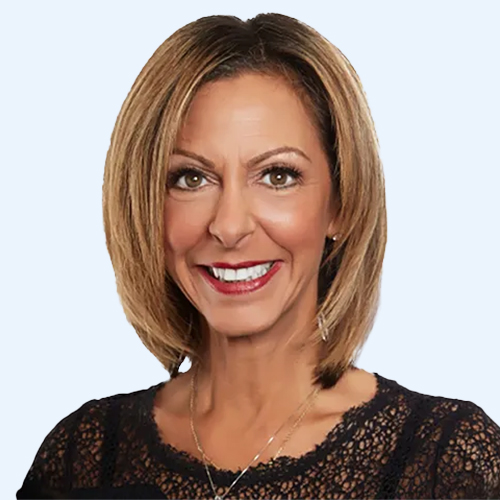
Micheline Varas is a Senior Partner, VP of Living benefits and International Risk Management specialist, with Customplan Financial Advisors Inc. A Top of the Table member with MDRT, she specializes in complex cases and frequently acts as an advisor resource. Insurance Portal asked her about the most challenging cases of her career.
Questions by Donna Glasgow (DG), Insurance Portal & Answers by Micheline Varas (MV)
DG Describe one of the most complex or challenging client situations you've handled, or helped another advisor with.
MV One of the most challenging and educational cases of my career involved a business owner named Bruce. I had known Bruce for approximately seven years before I ever had the opportunity to submit a traditional insurance application on his behalf. During that time, I had worked extensively with his business network. I had assisted his shareholder partners, insured key employees, and even worked with members of his family. However, Bruce himself remained uninsurable; or at least that was the common perception.
Bruce was the major shareholder of nine interconnected companies. By the time I met him, he had already suffered a significant heart attack, creating substantial underwriting challenges from the outset.
DG What made this situation particularly difficult?
MV The complexity extended far beyond his cardiac history. Following his heart attack, Bruce adopted an attitude that advisors occasionally encounter. Despite previously living what he considered a healthy lifestyle; he viewed the heart attack as a reason to stop restricting himself. Over the following years, he gained significant weight, drank heavily, experimented with drugs, and began smoking.
From an underwriting perspective, the combination of a serious cardiac event, tobacco use, substance use, and lifestyle concerns created a highly challenging risk profile. Adding to the complexity was the amount of coverage required. The insurance need was substantial and involved multiple policies owned across several affiliated corporations. This required both medical underwriting and extensive financial underwriting.
DG What were the client's main concerns at the time? What were yours?
MV Bruce's concern was straightforward: he wanted protection in place for his businesses, his shareholders, and his family.
My concern was whether we could realistically present a case that would withstand the scrutiny of both the insurance company and the reinsurer. I also knew that if coverage was possible, it would require a tremendous amount of preparation. This was not a case that could simply be submitted and left to underwriting.
DG What steps did you take upon learning about the situation?
MV By the time we began the application process, Bruce and I had developed a strong relationship built on mutual trust and honest conversations. Almost two years before the application was submitted, I challenged him to make meaningful lifestyle changes. The first objective was to stop smoking and eliminate drug use. To his credit, he committed himself to doing so. He eventually underwent laser therapy to help quit smoking, which also seemed to help him eliminate his drug use. Several months later, he stopped drinking as well. Only after these improvements were firmly established did I feel it was appropriate to begin pursuing coverage.
The application process itself was extensive. It involved:
- Multiple medical questionnaires
- Corporate financial statements
- Personal financial documentation
- Reports from two cardiologists
- Reports from his family physician
- Detailed underwriting discussions regarding ownership structures and coverage needs
Throughout the process, I made no promises to Bruce. We discussed the realities of underwriting and the possibility that coverage might still not be available.
DG What options did you present to the client?
MV We discussed several potential outcomes:
- Traditional coverage with a significant rating
- Reduced amounts of coverage
- Alternative ownership structures
- The continuation of non-traditional coverage
- Postponement
- Decline
Given the severity of the medical history, our focus was less on obtaining ideal terms and more on obtaining meaningful protection if coverage could be secured.
DG What were the pros and cons of these options?
MV Traditional coverage would provide the broadest protection but would almost certainly involve a substantial rating. Reduced coverage could improve insurability but would leave some of the identified needs unfunded. A postponement could potentially improve future underwriting results but would leave considerable risk exposed in the meantime.
A decline would require exploring alternative solutions, many of which would be significantly more expensive or less comprehensive.
DG Did you seek outside expertise during this situation?
MV Absolutely. This case became one of the most collaborative underwriting experiences of my career. The underwriter assigned to the file worked closely with me throughout the process. We discussed the client's history, reviewed medical information together, identified potential concerns, and explored how best to present the case to reinsurance.
What stood out was the transparency. Rather than simply issuing requirements, the underwriter explained the reasoning behind each request and helped me better understand how complex files are evaluated. That experience significantly improved my own abilities as a field underwriter.
DG How did you help the client stay calm and make rational decisions throughout this situation?
MV Managing expectations was critical. Bruce understood that there were no guarantees. We focused on gathering the strongest possible evidence and allowing the underwriting process to work as intended.
Because he understood the challenges involved, he viewed every step forward as progress rather than becoming discouraged by the volume of information being requested.
DG What communication processes worked best with the client?
MV Frequent communication and complete transparency. Bruce appreciated direct conversations. We spoke openly about what underwriters were concerned about, what information was still required, and what outcomes were realistic. He often referred to me as a "pit bull" because of my persistence and unwillingness to give up on difficult cases. That tenacity became an important part of our working relationship.
DG How did your approach build trust, even during a challenging time?
MV Trust was built through consistency. For years, I had never overpromised or created unrealistic expectations. When we finally pursued coverage, Bruce knew that every recommendation I made was grounded in experience and honest assessment. He also knew I was willing to advocate aggressively on his behalf while still respecting the underwriting process.
DG How did the client react to your advice? Any disagreements?
MV There were no meaningful disagreements. Because we had spent years discussing his health and lifestyle choices, Bruce understood the impact those decisions had on insurability. In fact, many of the improvements he made occurred because he recognized the importance of becoming a better insurance candidate.
DG What was the eventual outcome for this client?
MV After extensive underwriting review and reinsurance consideration, Bruce was approved for coverage. The offer carried a 300% rating, which was substantial but understandable given the medical history and overall risk profile.
When I called him on a Thursday afternoon to deliver the news, he was thrilled. He had achieved something many people believed was impossible. The coverage would have addressed significant personal and corporate planning needs.
I immediately requested the settlement documents and coordinated with his CEO to arrange collection of premium payments from the various affiliated companies. Then, on Saturday morning, I received a call advising me that Bruce had passed away. The policy was never settled.
DG Reflecting on this case, is there anything in your approach that you'd change?
MV There are always lessons to be learned.
While there was nothing that could have altered the medical realities of the situation, the case reinforced the importance of urgency. When dealing with medically impaired lives, every day matters.
If there is an opportunity to secure coverage sooner, accelerate requirements, or bind coverage appropriately, those opportunities should always be explored.
In this case, the circumstances simply did not allow for that outcome.
DG What did you learn from this situation as an advisor?
MV This case taught me three invaluable lessons. First, never give up on people. Many advisors would have assumed this case was impossible. Had we accepted that assumption, the client would never have received an offer. Second, become the best field underwriter you can be. The more thoroughly an advisor understands underwriting, the better they can present a case and advocate for their client. Third, urgency matters. Complex cases often involve clients whose health is already compromised. While we cannot control outcomes, we must never lose sight of the importance of moving a case forward efficiently.
Advisor takeaway
"This case reminds us that success is not always measured by a policy being placed. Sometimes success lies in the advocacy, diligence, and professionalism demonstrated throughout the process.
As advisors, we cannot control every outcome. What we can control is our commitment to understanding the client, presenting the strongest possible case, collaborating with underwriters, and acting with urgency when time may be limited.
The lesson I carry from Bruce's case is simple: never assume a case is uninsurable, never stop learning, and never forget that every day matters."
— Micheline Varas